Health Concerns in Mini Goldendoodle: Every Owner Needs to Know
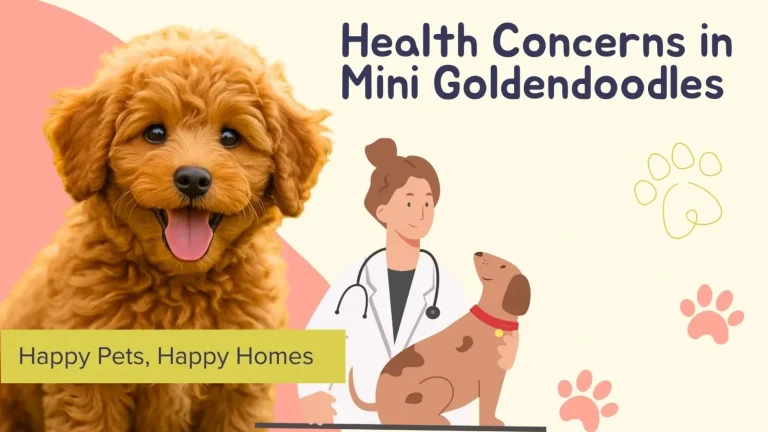
Mini Goldendoodle induces friendly traits with intelligence and cheerfulness to make a great family pet. Health concerns in Mini Goldendoodles are subjected to, result from inherited genetic disorders in Poodle or Golden Retriever lineage. Proactive steps through early medical assessments and regular veterinary visits minimize the chances of developing major health issues. Educate yourself on matters of basic health care and adopt proactive steps to ensure your mini doodle enjoys a long and healthy life.
How To Keeps Your Mini Goldendoodle Healthy
The first step towards prevention of illness involves a proper diet, exercise and regular check-ups. To keep your Mini Goldendoodle dog healthy with a shiny coat and joints, feed him high quality dog food that contains high levels of protein and omega-3 fatty acids. Have pets Vet checkups such as vaccinations, dental care and early detection of problems once in a year. Routine grooming, cleaning of ears and keeping your Mini Goldendoodle in good condition exercises a significant role in ensuring that it remains in great health.
Some Health Concerns In Mini Goldendoodles
A Mini Goldendoodle possesses overall good health, but owners must consider several possible health conditions to properly care for them. Early detection together with suitable care enables your dog to achieve both an extended lifespan and a happy existence despite inherited or lifestyle conditions. The following list comprises eleven health situations that can occur in them:
1. Luxating Patella
The orthopedic condition known as luxating patella causes a kneecap to move improperly thus leading to painful limbs. The condition can manifest itself starting from six weeks old although it may appear later during someone’s life. Medical professionals might advise surgery to address serious instances of the condition.
2. Hip Dysplasia
The improper development of the hip joint causes hip dysplasia which results in pain together with decreased joint mobility. Patients exhibit symptoms by avoiding exercise or by limping with discomfort. For effective control of this problem patients might require joint supplements with potential addition of therapy or surgical interventions.
3. Ear Infections
The drooping ears of Mini Goldendoodle create conditions that lead to ear infections because moisture and debris become trapped inside these ears. Redness with swelling along with discomfort make up the symptomatic presentation. Routine ear cleaning combined with maintaining dry ears functions as prevention against future infections.
4. Hypothyroidism
In Hypothyroidism patients their thyroid gland fails to generate enough hormones. Several health problems result from hypothyroidism which may include weight increase together with hair loss and feelings of tiredness. The treatment for this condition requires daily hormone regulating medication to enhance your dog’s general wellness.
5. Von Willebrand’s Disease
The inherited bleeding disorder creates a barrier against normal blood clotting processes. Bleeding is heavier than normal after minor cuts and bruises signifies the condition’s development. Veterinary management and injury prevention help control X-linked hemophilia despite its untreatable nature.
6. Progressive Retinal Atrophy
The degenerative eye disease called PRA causes vision degradation which commences with impaired night vision. The condition has no treatment, yet dogs learn to adjust with their remaining senses when suffering from blindness. Regular veterinary check-ups help professionals observe disease development.
7. Allergies
Food allergies in conjunction with pollen and environmental allergies take a toll on them. Indications of allergy mostly manifest as rashes on the skin accompanied by itchiness as well as digestive issues. Allergy symptoms get reduced through diet changes as well as medical therapies that detect and manage allergens.
8. Addison’s Disease
Addison’s disease occurs when the adrenal glands fail to produce sufficient hormones. Symptoms may involve lethargy, vomiting, and dehydration. Addison’s disease can be managed through medication, but treatment must continue throughout a person’s life.
9. Subaortic Stenosis
The aortic valve suffers from a narrowing defect that disrupts blood circulation throughout the body. When present with this heart disease patients have trouble with exercising and develop cough symptoms leading to eventual heart failure. Heart murmurs can be detected during veterinary exams while additional tests monitor the development of complications.
10. Gastric Dilation and Volvulus (GDV)
Bloat or GDV is a deadly condition which occurs when the stomach twists resulting in blood flow deprivation. Such symptoms include bloating the abdomen and retching alongside rapid breathing. Performing immediate veterinary care becomes crucial because the condition shows fast progression.
11. Degenerative Myelopathy (DM)
The spinal cord condition Degenerative Myelopathy progresses to cause weakness of muscles and impaired coordination during its development. Older dogs typically start showing the first signs of the disease before which physical therapy serves to treat symptoms and boost mobility although no treatment exists.
Do you know about Hybrid Vigor?
Hybrid vigor the offspring of distinct breeds develops improved health and endurance and enhanced fertility. Mini Goldendoodles emerge through breeding a Golden Retriever with a Poodle. A unique dog form combines both original breeds’ strongest characteristics into one hybrid pet which displays Poodle intelligence with Golden Retriever friendliness. Crossbreeding between different dog breeds generates hybrid vigor which makes certain inheritable diseases less likely in purebred dogs. Even with hybrid vigor the they might still develop health problems so you must schedule routine vet visits to provide proper medical care.
Goldendoodle Lifespan and how to make Maximum of it?
Mini Goldendoodles have a lifespan of 12 -15 years on an average basis. Eating a balanced diet, exercising everyday, and keeping the mind active will also go a long way in helping them to live longer. They can extend the healthy years by routine veterinary checkups, keeping off parasites and by early diagnosis of illnesses. It is important to make sure that you give your Mini Goldendoodle sufficient hydration, deep sleep, and care.
When to Visit the Vet?
They require early visits to the veterinarians so as to detect the medical issues at hand before they worsen. In case your Mini Goldendoodle starts exhibiting such symptoms as limping, excessive itchiness, lack of appetite or tiredness, call your vet at once. Regular check-ups, dental check-ups and blood tests once/twice every year assist in the long-term health.
Conclusion
Mini Goldendoodle breed combines smartness and affection with cheerful character traits which make them suitable family pets. Health officials need to monitor Mini Goldendoodles due to their overall healthy nature. They should undergo testing for hip dysplasia and progressive retinal atrophy. The best outcomes for their health occur when pet owners regularly visit veterinarians who provide proper nutrition while exercising their dog pets properly. Their open and affectionate nature enables them to learn easily and provides calm and lovely company.